Tag: https://boss29.news

Understanding The Rules That Determine Additional Cards
In traditional card games like baccarat, the process of drawing extra cards can initially appear complex to newcomers. Unlike games where players make active hit-or-stand decisions, the allocation of additional cards in baccarat follows strict, predetermined house rules. Gaining a clear understanding of these mechanism allows enthusiasts to follow each round with confidence and clarity.
The Initial Deal and Natural Hand Thresholds
Every standard round begins with two cards dealt to both the Player and the Banker positions. The values of these initial cards are summed together to form a baseline total for each side. If either position achieves a total of eight or nine, it is recognized as a natural win.
When a natural hand occurs, the round concludes immediately without any extra cards being drawn. This automatic resolution keeps the flow of the game structured and predictable. Knowing these threshold values helps participants recognize winning conditions right at the start of a deal.
How the Player Hand Receives a Third Card
When neither side holds a natural total, the rules for the Player hand dictate the next step. If the Player hand has an initial total between zero and five, a third card is automatically drawn. If the total is six or seven, the Player hand stands and receives no additional cards.
This fixed rule set eliminates player guesswork, ensuring that every dealer across different tables executes the exact same process. Enthusiasts interested in structured gaming updates often explore news on platforms like boss domino to stay informed on table mechanics. Understanding the Player hand's draw requirement is essential because it sets the stage for the Banker's turn.
Determining Additional Cards for the Banker Hand
The rules governing the Banker hand are slightly more detailed because they depend on both the Banker's current score and the specific card drawn by the Player. If the Player stands on a six or seven, the Banker simply follows the basic rule of drawing on totals of zero through five. However, if the Player receives a third card, the Banker's decision tree shifts based on the value of that third card.
For example, if the Banker holds a total of three, a third card is drawn unless the Player's third card was an eight. Similarly, higher Banker scores like five or six only draw against specific low or mid-value cards. These nuanced guidelines ensure a balanced mathematical margin for the table over extended play.
Why Fixed Drawing Rules Maintain Game Integrity
Automatic drawing rules ensure that dealer execution remains completely objective and efficient during live play. Because participants cannot choose whether to take a hit, table momentum remains smooth and consistent across every session. This systematic approach allows enthusiasts to focus entirely on understanding table dynamics rather than calculating active strategies.
By mastering these fundamental drawing conditions, players can follow every deal without confusion. Recognizing when and why extra cards are distributed enhances overall appreciation for the game's design. Ultimately, fixed drawing rules provide a reliable structure that defines modern baccarat gameplay.
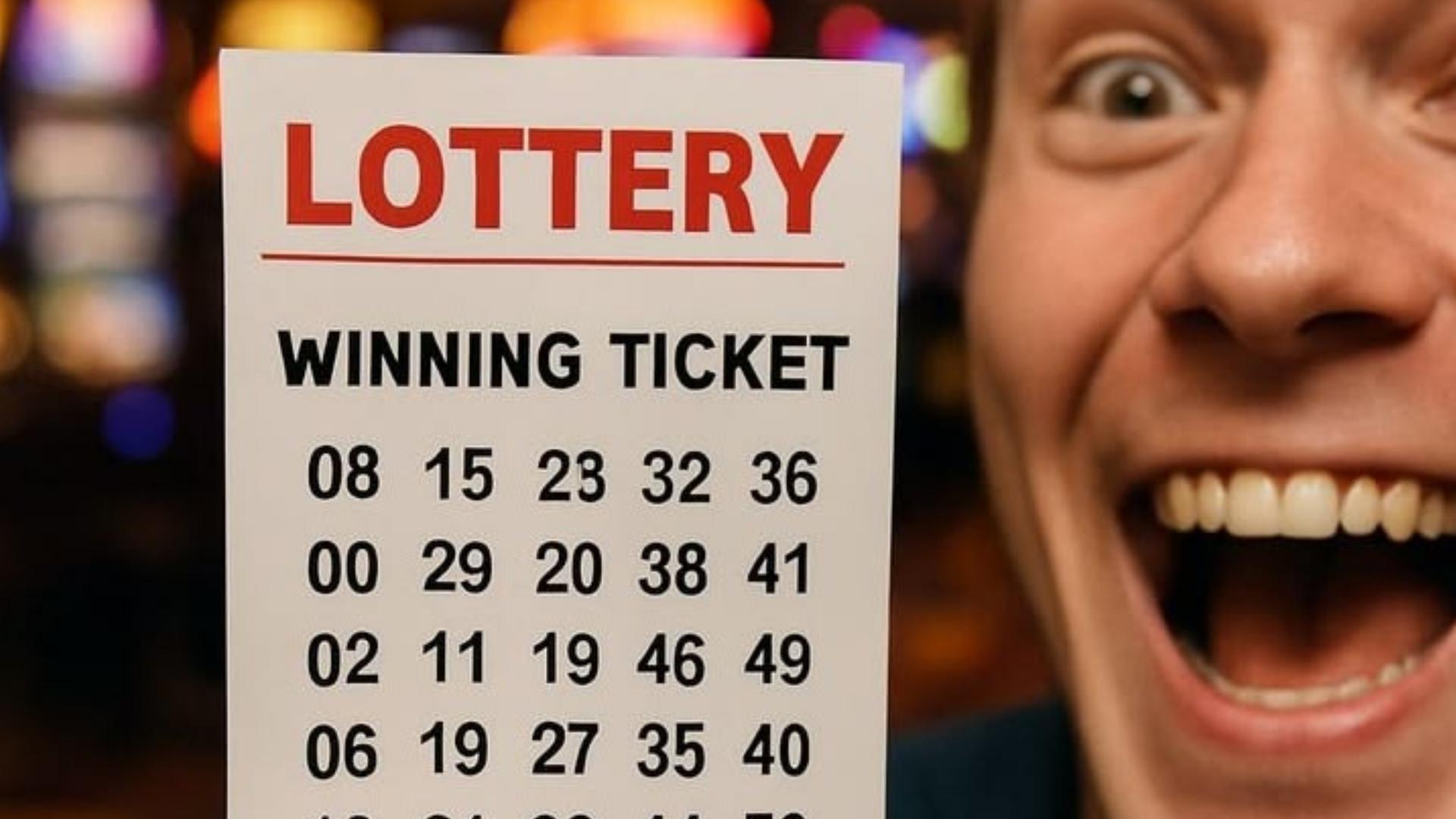
Why Changing Your Strategy Requires Psychological Flexibility
Adapting to changing circumstances often demands more than just a logical plan; it requires a deep capacity to adjust one's mindset. When initial plans fail to yield expected results, individuals frequently encounter emotional resistance that prevents them from pivoting effectively. Developing psychological flexibility allows decision-makers to evaluate fresh information objectively without feeling constrained by previous commitments.
Overcoming the Emotional Weight of Past Decisions
Many people cling to underperforming strategies because they mistake altering course for admitting personal failure. This cognitive barrier often leads to prolonged attachment to ineffective plans, ultimately wasting valuable time and resources. Recognizing that strategy adjustments reflect growth rather than defeat is essential for long-term progress.
By separating personal identity from tactical choices, individuals can examine outcomes with neutral clarity. This objective perspective makes it much easier to abandon outdated methods in favor of dynamic solutions. Consequently, emotional detachment becomes a powerful driver of strategic innovation.
Navigating Uncertainty with Adaptive Thinking
Unpredictable environments require a willingness to embrace ambiguity rather than demanding total certainty before acting. Strategists who insist on complete predictability often freeze when faced with unexpected market shifts or strategic setbacks. Cultivating a flexible mindset enables leaders to treat unexpected changes as informative feedback loops.
In competitive environments, staying adaptable allows participants to respond quickly to evolving rules and player dynamics. Enthusiasts who analyze complex gaming tactics on platforms like boss domino often observe how critical real-time adjustments are to achieving consistent success. Applying this adaptive approach across various domains leads to smarter choices under pressure.
Reframing Sunk Costs into Learning Opportunities
The inclination to protect past investments in time, energy, or capital frequently distorts rational decision-making processes. Strategic flexibility empowers individuals to acknowledge past efforts while focusing exclusively on future expected value. This mental pivot protects future endeavors from being compromised by historical inefficiencies.
When past expenditures are viewed as valuable lessons rather than lost assets, changing direction becomes a proactive choice. Flexible thinkers evaluate each decision based on current reality rather than past expenditures. This forward-looking orientation ensures that future strategies remain efficient and purpose-driven.
Building Sustainable Resilience for Long-Term Growth
Psychological flexibility serves as the foundation for lasting mental resilience across personal and professional domains. Individuals who develop adaptive thinking patterns bounce back faster from unexpected disruptions and tactical failures. This continuous capacity to recalibrate prevents burnout and fosters steady development.
Ultimately, the ability to modify one's approach is not a sign of instability, but a mark of strategic maturity. By fostering open-mindedness and emotional balance, decision-makers position themselves to thrive in any changing environment. Embracing flexibility ensures that strategy remains a living, evolving roadmap to success.